Pest Control Services for Seasonal Bugs and Year-Round Invaders
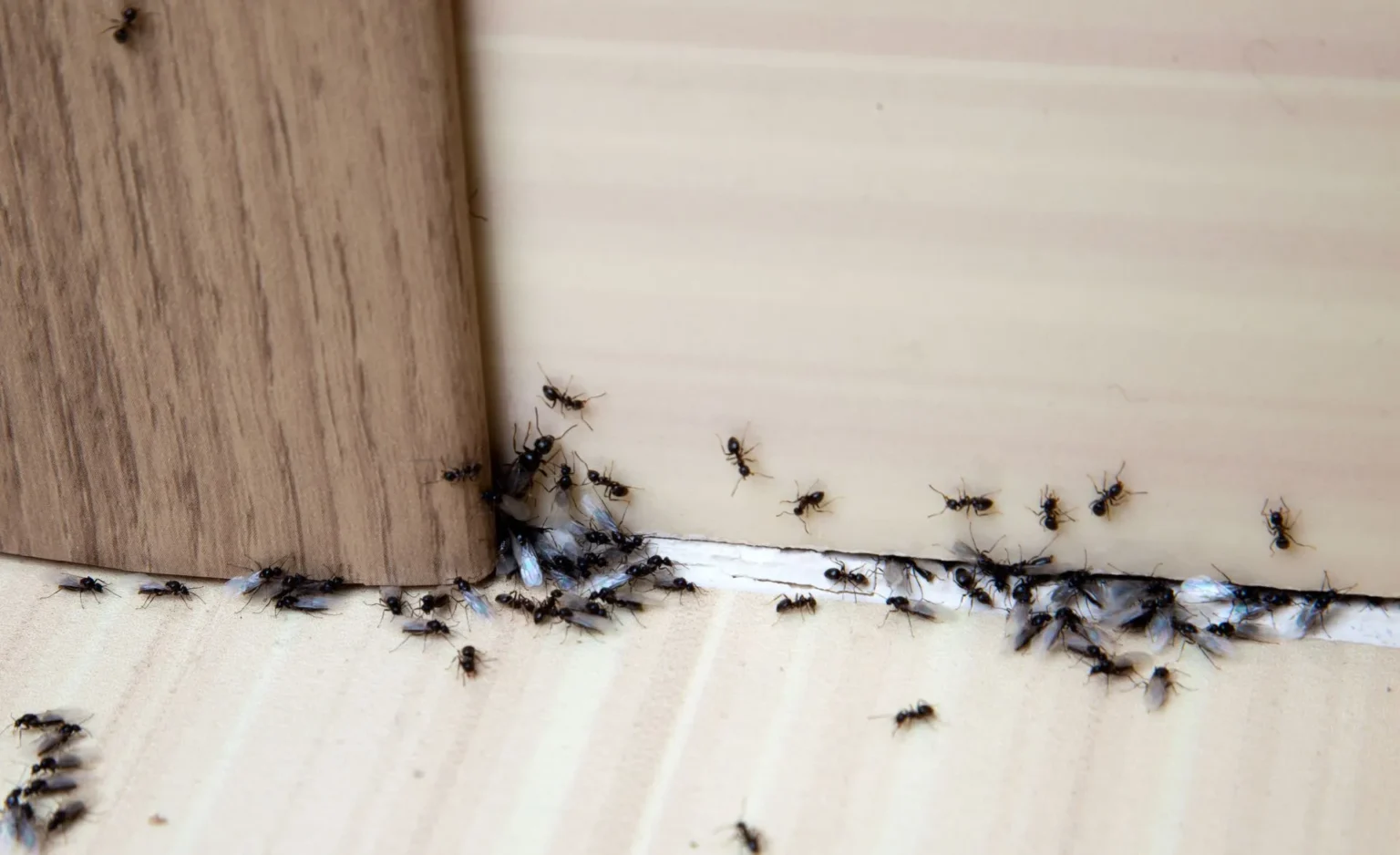

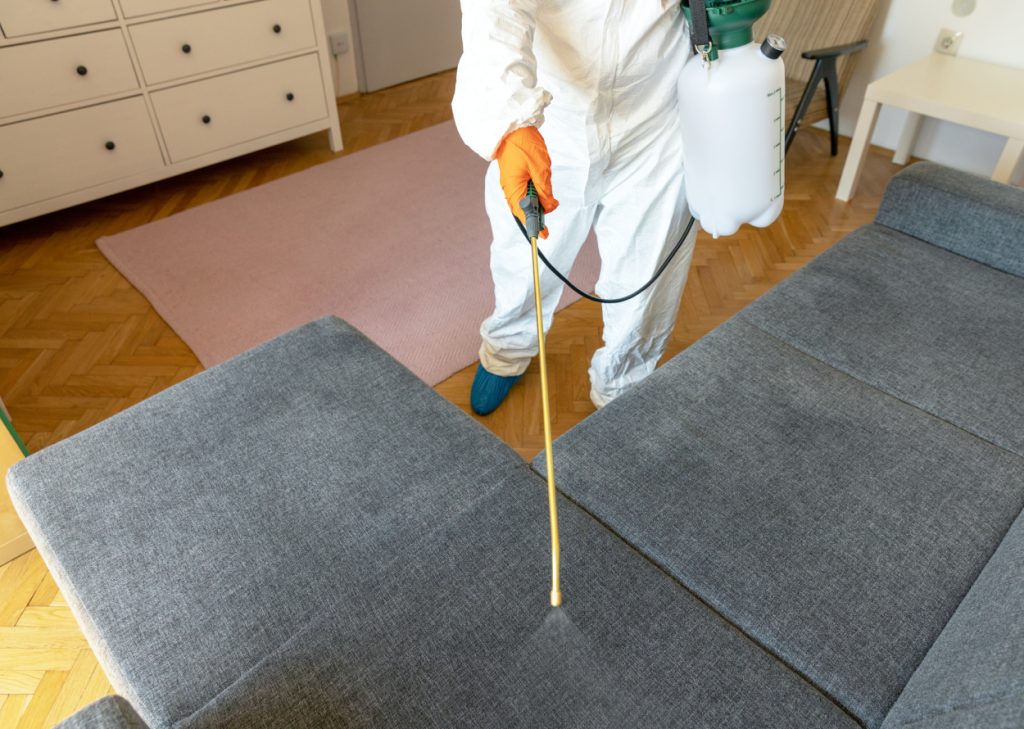
The timing of a pest problem often tells you almost as much as the pest itself. Ants tend to announce spring before the weather app does. Wasps show up when outdoor meals become routine. Rodents push indoors when temperatures drop. Cockroaches, on the other hand, have little respect for seasons and will settle in whenever food, moisture, and shelter line up.
That is why effective Pest Control Services are never just about spraying what is visible. Good service starts with pattern recognition. Which pests surge after heavy rain? Which ones thrive during dry heat? Which species live quietly inside wall voids all year and only become obvious once a population is well established? The difference matters, because the treatment that knocks down a brief seasonal flare-up is not always the same strategy that solves a persistent infestation.
Property owners often underestimate how much local conditions shape pest pressure. Two houses on the same street can face different problems because one has dense mulch against the foundation, a damp crawl space, and a leaking hose bib, while the other has open sun, sealed utility penetrations, and trimmed vegetation. In practice, pest control is less about a generic calendar and more about understanding how insects and rodents use a specific property over time.
Why the seasons change pest behavior
Pests do not operate on a fixed human schedule. They respond to temperature, moisture, food access, and breeding cycles. In early spring, many overwintering insects become active and start foraging aggressively. That is when homeowners first notice trails of odorous house ants across countertops or clusters of boxelder bugs near sunny windows. As temperatures rise, mosquitoes breed faster, flies become more active, and stinging insects begin building nests.
Summer brings the most visible pest activity, but it is not always the worst period for long-term control. Insects are out in the open, nests are easier to spot, and access points are often easier to identify. The challenge is speed. A yellowjacket nest that starts as a small paper comb can become a serious hazard in a matter of weeks. A neglected German cockroach issue in a restaurant kitchen can turn from a few sightings into a sanitation crisis before management realizes how fast reproduction occurs.
Fall changes the equation. Outdoor food sources decline, nights cool off, and many pests begin looking for protected indoor spaces. Spiders follow the insects. Rodents follow warmth and pantry access. Stink bugs gather on sunlit exterior walls before slipping inside through siding gaps, attic vents, and poorly sealed window frames. By winter, many of the pests a homeowner sees are not the ones causing the most damage. Termites, rodents, and cockroaches can remain active out of sight while outdoor insect pressure seems to disappear.
This seasonal swing is exactly why one-time service has limits. It can solve a specific event, such as a wasp nest over a garage door, but it does not always address the recurring conditions that attract pests year after year.
Seasonal pests that arrive on cue
Some pest issues are highly predictable. Mosquitoes, for example, explode after rain when water collects in gutters, toys, flowerpot saucers, birdbaths, and low spots in the yard. The homeowners who insist they have “no standing water” are often surprised by how little water mosquitoes need. A bottle cap is not enough, but a clogged downspout elbow, a folded tarp, or the lip of a wheelbarrow absolutely can be.
Ants are another classic seasonal complaint, especially in spring and early summer. The first response is usually bait from a hardware store, which can work in light cases, but results vary by species. Pavement ants, carpenter ants, and odorous house ants do not always respond the same way to the same product. I have seen homeowners use a strong repellent spray on a kitchen ant trail, only to push the colony to split and reappear from three new entry points two days later. That is not failure of effort. It is a mismatch between behavior and treatment.
Wasps and hornets also follow familiar warm-weather patterns, but their nesting habits differ enough to matter. A paper wasp nest under an eave presents a different risk than yellowjackets nesting in the ground near a patio or inside a wall void. The first may be straightforward to remove. The second can become dangerous very quickly, especially when lawn equipment or foot traffic disturbs the nest.
Fleas often feel seasonal because outdoor pets, wildlife activity, and warmer temperatures contribute to outbreaks, yet indoor conditions can extend the problem. Ticks behave similarly. They surge in expected months, but shaded yards, leaf litter, and wildlife corridors can make some properties risky far beyond the peak season people associate with them.
The invaders that ignore the calendar
Other pests do not wait for a particular time of year. Cockroaches are the clearest example. In multifamily housing, restaurants, hospitals, and older homes with moisture issues, they can persist through every season. They are driven less by weather than by access to water, warmth, grease, clutter, and hidden harborages. A cold snap outdoors may reduce movement near entry points, but it does little to the colony deep inside a heated structure.
Rodents also deserve year-round attention, even though most people notice them in fall and winter. Mice can stay active indoors continuously once they establish nesting areas in basements, attics, garages, utility rooms, or wall cavities. Rats are more variable depending on region and construction type, but wherever food waste, pet food, bird seed, or structural gaps exist, they remain a live issue. Their damage is rarely limited to nuisance. Chewed wiring, contaminated storage, and insulation disruption carry real cost.
Termites are another year-round concern, though many infestations are discovered seasonally during swarms. A swarm might be the first visible sign, but the colony may have been feeding quietly for years. The same is true for carpenter ants in some structures. Homeowners often mistake them for ordinary ants and lose precious time while moisture-damaged wood becomes a larger repair problem.
Bed bugs belong in this category as well. They are not tied to climate in the way outdoor insects are. Travel patterns may influence when introductions occur, but once established indoors, they operate on blood meals and hiding places, not the weather outside. This is one of the reasons generic “bug spray” approaches fail so often with them.
What separates professional service from a quick fix
A lot of pest control products available to the public are legitimate and useful. The problem is not access. It is diagnosis. Pest management is full of look-alike situations. Drain flies and fungus gnats are regularly confused. So are termite swarmers and flying ants. Pantry moths get blamed on “something from outside” when the source is often a forgotten bag of dry goods. The wrong diagnosis leads to the wrong target area, the wrong product, and a false sense that the infestation is unusually stubborn.
Professional Pest Control Services add value in three practical ways. First, they identify the pest accurately, including the life stage when that matters. Second, they track why the pest is there, not just where it was seen. Third, they select a treatment method that balances speed, safety, and long-term control.
That balance is where experience shows. A severe roach infestation in a vacant unit being turned over for new tenants calls for a more aggressive and layered approach than the occasional ant trail in an owner-occupied kitchen. A family with toddlers, aquariums, or chemically sensitive occupants may need a treatment plan built around exclusion, baits, dusts in inaccessible voids, and highly targeted applications rather than broad residual spraying. A restaurant cannot tolerate the same downtime or uncertainty as a detached home. Pest control is not one-size-fits-all, and it should not be sold that way.
https://israeltoad701.brightsora.com/posts/residential-pest-control-services-what-every-homeowner-should-knowInspection is the work most people never see
The most competent technicians I have known were rarely the ones who talked most about chemicals. They were the ones who noticed details. Rub marks along a baseboard. Frass beneath a kick plate. Condensation under a sink. A gap around a refrigerant line. A soft spot at a door threshold that hinted at moisture and wood-destroying activity. Those observations often matter more than the treatment itself.
Inspection is where recurring failures are usually explained. A homeowner may say, “We keep getting ants every summer no matter what.” Then you find tree limbs touching the roof, mulch piled over weep holes, and a colony nesting in moisture-damaged trim near a sprinkler head that sprays the foundation every morning. Suddenly the repeat pattern makes sense. Service works better when the property is part of the solution.
In commercial settings, inspection can reveal operational issues that no pesticide can fix. Floor drains with organic buildup. Dumpster areas that are not being cleaned. Inventory stored too tight to walls. Cardboard accumulations in warm, humid rooms. Pests exploit routines. They rarely thrive by accident.
A sensible year-round strategy
The strongest results usually come from combining preventive service with targeted responses during peak seasons. That does not mean every property needs the highest-tier package on a sales sheet. It means control should match pressure. A suburban home with occasional perimeter ants and fall spiders may do well with regular exterior service and basic exclusion work. A building near water, woods, or dense urban food sources may need much closer monitoring.
A practical annual approach often includes these priorities:
- Inspect entry points, moisture sources, and conducive conditions before peak pest season begins.
- Use exterior treatments and habitat reduction to suppress insects before they move indoors.
- Shift focus in fall toward exclusion, attic and crawl space review, and rodent vulnerability.
- Monitor year-round problem zones such as kitchens, utility rooms, garages, and trash areas.
- Reassess after major weather events, renovations, or changes in occupancy.
That last point gets missed often. Renovation dust, new landscaping, plumbing leaks, and even a neighbor’s vacant property can change pest activity on a site that had been stable for years.
The role of exclusion, sanitation, and habitat changes
People sometimes hear “sanitation” in pest control and assume it means blame. In reality, it means opportunity reduction. Pests need what every organism needs, food, water, shelter, and access. Removing even one of those can significantly reduce pressure.
Exclusion is often the highest-value work on a property. Sealing a quarter-inch gap under a back door can be more important than treating the baseboards inside. Screening attic vents, repairing damaged sweeps, sealing utility penetrations, and correcting torn crawl space vents can change the entire pest profile of a building. For rodents, small openings are enough. For insects, even smaller ones are plenty.
Moisture control is equally important. Standing water in crawl spaces, poor drainage along foundations, and plumbing leaks under sinks attract more than one category of pest. Silverfish, cockroaches, ants, and termites all benefit from excess moisture, though for different reasons. I have seen chronic springtail complaints disappear after downspout extensions and grading corrections, without any dramatic chemical program at all.
Sanitation matters most where food residues accumulate in hidden areas. Under appliances, inside cabinet hinge corners, around recycling bins, beneath vending machines, and in floor drain sediments are common trouble spots. The challenge is that occupants clean what they can see. Pests live where cleaning is inconvenient.
When one-time treatment makes sense, and when it does not
There are situations where a one-time visit is entirely reasonable. Removing a visible wasp nest, treating a localized cluster of exterior ants, or addressing an isolated pantry pest issue can often be handled in a single service, provided the source is clearly identified and the customer follows through with recommendations.
The trouble comes when chronic issues are treated as one-off events. Roaches in a connected apartment building, rodents in an older structure with multiple access points, recurring drain fly activity from neglected plumbing voids, and termite risk around moisture-damaged wood all tend to require more than a single visit. Not because professionals want repeat business for its own sake, but because biology gets a vote. Eggs hatch later. Hidden individuals avoid initial contact. Entry points stay open unless repaired. Neighboring units or exterior harborage keep repopulating the space.
The best companies are usually candid about this. If they promise permanent elimination of a complex infestation after one visit, skepticism is healthy.
Questions worth asking before hiring a provider
A property owner does not need technical expertise to evaluate Pest Control Services, but a few specific questions can reveal a lot about how a company operates.
- What pest do you believe this is, and what signs support that identification?
- What conditions on the property are contributing to the problem?
- What treatment methods will you use, and where will they be applied?
- How many visits are typically needed for a case like this?
- What should I change on my end to improve the result?
Good answers tend to be specific. Vague answers often signal a preset service routine being applied before anyone has understood the situation.
It is also reasonable to ask whether a company handles wildlife, termites, bed bugs, or only general household pests. Specialization matters. Not every provider is equally equipped for every category, and honest scope limits are a good sign.
Residential service versus commercial demands
Homes and businesses share pest biology, but the service model differs sharply. In residences, comfort, safety, and structural protection are the main concerns. In commercial environments, the stakes often include inspections, reputation, interrupted operations, and employee workflow. A fruit fly issue in a home is annoying. In a bar or cafe, it can become a brand problem in front of customers by the end of the week.
Food handling businesses need especially disciplined service. Monitoring, documentation, trend tracking, and corrective recommendations matter almost as much as treatment. Pest sightings there should trigger process review, not just product application. Deliveries, floor cleaning schedules, grease management, drain maintenance, and storage practices all influence outcomes.
Healthcare and educational facilities add another layer. Sensitivity around occupied spaces, vulnerable populations, and scheduling constraints means the provider must be precise, communicative, and conservative in method selection. Experience counts in those environments because there is little room for improvisation.
Common mistakes that keep infestations alive
Many recurring pest problems are prolonged by well-intended habits. Over-the-counter foggers are a classic example. People use them because the problem feels widespread, but foggers often fail to penetrate the actual harborage and can scatter certain pests into new hiding areas. Roaches, especially, are notorious for surviving flashy treatments while remaining entrenched behind appliances and inside wall voids.
Another common mistake is treating too late. Homeowners wait until the first hard freeze to think about rodents, by which time mice may already be nesting in insulation. They wait until the fourth or fifth ant invasion of the season before investigating moisture damage behind a window frame. They spray for mosquitoes but ignore the clogged gutter feeding the problem every time it rains.
There is also a tendency to focus on the room where the pest was seen rather than the route it used. Seeing roaches in a bathroom does not necessarily mean the bathroom is the source. Spotting spiders in a basement does not mean spiders are the root issue. Often they are feeding on another insect population that has not been identified yet.
What realistic results look like
Professional pest control is not magic, and the companies that explain that clearly are usually the most trustworthy. Some problems improve within hours, such as a directly treated wasp nest. Others improve over days or several weeks, especially when baits, growth regulators, or follow-up monitoring are involved. Rodent control often has a visible phase, capture and activity reduction, followed by the less glamorous but more important phase, exclusion and sanitation correction.
A sound service plan should reduce sightings, interrupt breeding, and lower the chance of reinfestation. In severe cases, there may be a period where pest activity appears to increase before it collapses, because hidden populations are being flushed into view or drawn to baits. Without good communication, customers sometimes interpret that as treatment failure when it is actually part of the expected progression.
What should raise concern is not a brief adjustment period. It is repeated service with no investigation into why the issue persists. If months pass and the same pests keep returning to the same areas, either the diagnosis is wrong, the contributing conditions remain untouched, or access from adjacent spaces has not been addressed.
Matching service to the property, not the sales pitch
The best pest control outcomes usually come from a partnership between the provider and the occupant. The provider brings technical skill, materials, and field judgment. The occupant controls storage habits, repairs, cleaning routines, landscaping, and follow-through. When both sides handle their part, seasonal bugs become manageable and year-round invaders lose the advantages that let them settle in.
For property owners choosing among Pest Control Services, the smartest approach is rarely the cheapest or the most aggressive sounding. It is the one that starts with a careful inspection, explains the biology behind the problem, and treats prevention as seriously as elimination. Bugs and rodents change with the season, but the principles stay steady. Find out why they are there, close what lets them in, remove what helps them stay, and use treatment with precision rather than guesswork.
That is how short-term relief turns into lasting control.
Affordable Pest Solutions LLC
Phone number: +19732299547
FAQ About Pest Control Services
How much does pest control charge?
For a standard 1,500-square-foot home, professional pest control charges generally average $100 to $300 for an initial visit, with ongoing monthly services running $40 to $75 per visit and one-time emergency exterminations costing $100 to $600, depending heavily on the specific pest and the severity of the infestation.
What is the hardest pest to get rid of?
Bed bugs are widely considered the hardest household pest to get rid of, closely followed by German cockroaches and subterranean termites.
What is included in a pest control service?
A standard pest control service includes a property inspection, targeted treatments, and prevention advice. It typically covers common pests like ants, spiders, and cockroaches, using sprays, baits, or traps.